

Veneers & Lumineers in Turkey — Quick Facts
Dent Health Istanbul crafts premium E-max porcelain veneers, zirconia veneers, and no-prep Lumineers in 5-7 days. Treatment takes 2-3 sessions under local anaesthesia, with next-day recovery and 15+ year durability — at 50-70% below UK/US prices.
Veneers & Lumineers in Turkey | Dent Health Istanbul
Dental veneers are ultra-thin, custom-crafted shells made from porcelain or composite resin bonded to the front surface of your teeth. They correct discoloration, chips, gaps, minor misalignment, and uneven tooth shapes. At Dent Health Istanbul, we offer premium E-max porcelain veneers, composite veneers, and zirconia veneers. Lumineers are ultra-thin porcelain veneers requiring minimal to no tooth preparation. Our cosmetic dentists use advanced CAD/CAM technology to deliver natural-looking results at 50-70% less than UK or US prices.
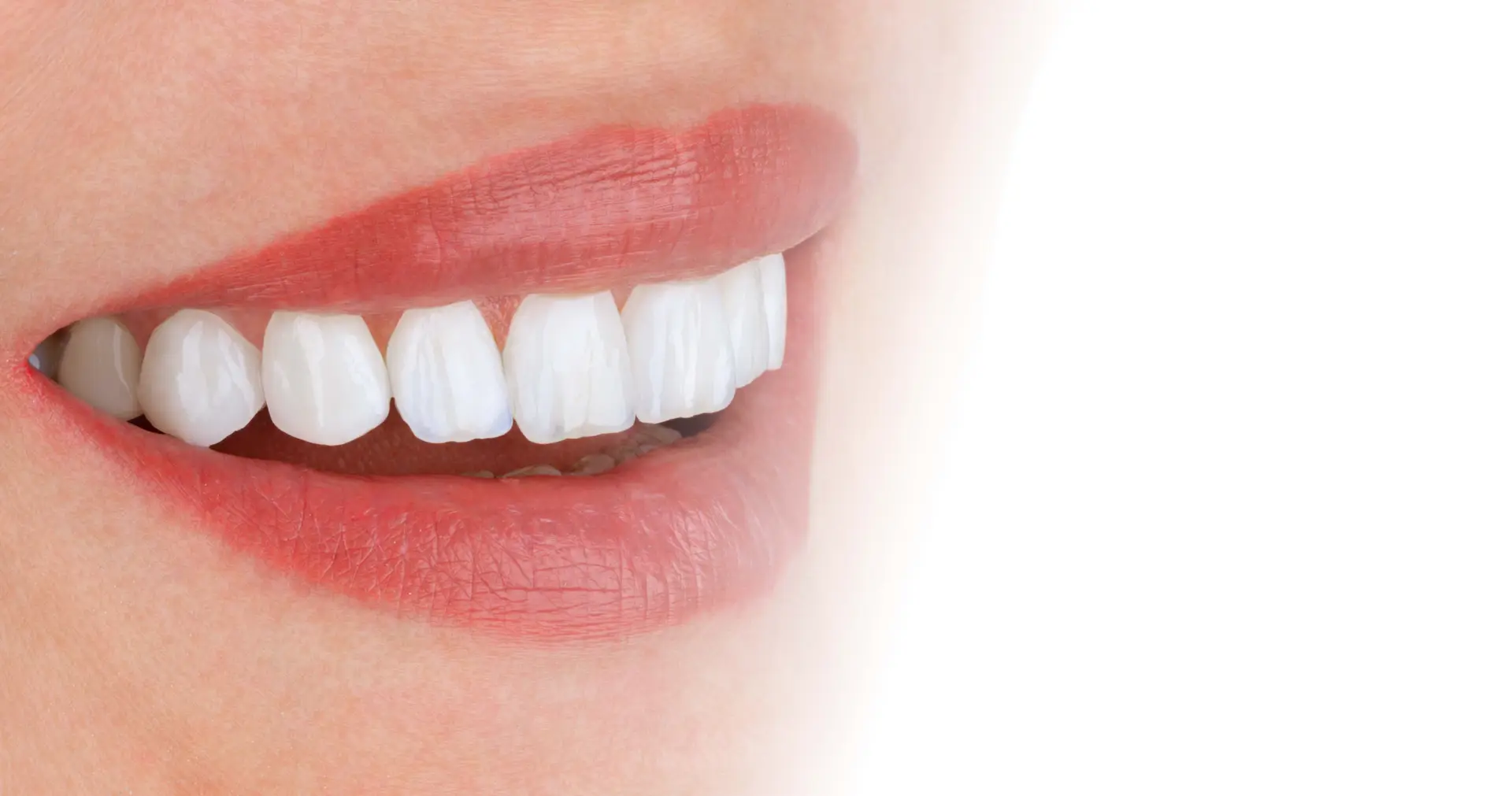
Veneers & Lumineers in Turkey — Quick Facts
Dent Health Istanbul crafts premium E-max porcelain veneers, zirconia veneers, and no-prep Lumineers in 5-7 days. Treatment takes 2-3 sessions under local anaesthesia, with next-day recovery and 15+ year durability — at 50-70% below UK/US prices.


Porcelain Veneers and Lumineers in Istanbul: Your Complete Guide
What Are Dental Veneers?
Dental veneers are ultra-thin shells of porcelain or composite resin that are permanently bonded to the facial surfaces of the front teeth, transforming their colour, shape, size and alignment in a single cosmetic procedure. Porcelain veneers are the gold standard for comprehensive smile makeovers: they are custom-fabricated in a dental laboratory to precise specifications, shade-matched to your desired result, and bonded with high-strength dental adhesive for a natural appearance that is virtually indistinguishable from healthy natural tooth enamel.
Veneers are used to correct a wide range of aesthetic concerns including severe or intrinsic staining that does not respond to whitening, chipped, cracked or worn teeth, minor misalignment or spacing issues, teeth that are disproportionately short or narrow, and uneven gumlines. A full smile makeover typically involves six to ten upper veneers — covering the teeth visible in a broad smile — though the exact number is determined during your Digital Smile Design consultation.
Lumineers vs Traditional Porcelain Veneers
Lumineers are a proprietary brand of ultra-thin, no-preparation (or minimal-preparation) veneers fabricated from a patented Cerinate porcelain. The defining characteristic of Lumineers is their very low thickness — approximately 0.2–0.3mm — which in many cases allows them to be placed directly over existing tooth structure without any enamel reduction. This makes the procedure theoretically reversible, which is their principal marketing advantage.
Traditional porcelain veneers are typically 0.5–0.7mm thick, requiring the removal of a corresponding thin layer of enamel to prevent the final result from appearing bulky. While this makes traditional veneers an irreversible procedure, the clinical reality is that the enamel reduction involved is minimal (less than 0.5mm) and the resulting veneers generally offer superior aesthetics — particularly in cases where the existing teeth are already slightly prominent. Most experienced cosmetic dentists consider traditional e-max porcelain veneers the superior choice for the vast majority of cases. Lumineers are best suited to specific presentations where teeth are small, receded or have significant spaces between them.
E-Max vs Zirconia Veneers: Which Should You Choose?
E-max (lithium disilicate glass ceramic) is widely regarded as the finest material for anterior veneers. It offers outstanding translucency that closely mimics natural tooth enamel, allowing light to transmit through the veneer in a lifelike manner. E-max veneers can be fabricated as thin as 0.3mm, preserving maximum tooth structure, and have excellent flexural strength — sufficient for the loading demands of anterior teeth in most patients. The aesthetic results achievable with e-max are exceptional, making it the material of choice for high-demand smile makeovers at Dent Health Istanbul.
Zirconia veneers offer greater structural strength and are therefore sometimes preferred in patients who grind or clench their teeth (bruxism) or who require coverage of very dark underlying staining, as zirconia's opacity provides better masking. However, this opacity also means zirconia veneers can appear slightly less lifelike than e-max when examined closely. Layered zirconia, where a more translucent feldspathic porcelain is applied over a zirconia substructure, represents a compromise between strength and aesthetics and may be recommended in selected cases.
Are You a Good Candidate for Veneers?
Ideal candidates for porcelain veneers are adults with healthy teeth and gums who have aesthetic concerns that cannot be adequately addressed by whitening, bonding or orthodontics alone. It is essential that any underlying decay or gum disease is fully treated before veneers are placed. Patients must have adequate enamel remaining on the teeth to be prepared, as enamel provides the ideal bonding substrate for the dental adhesive used to attach the veneer.
Patients with significant bruxism (tooth grinding) may require a night guard to protect their veneers and are counselled regarding the increased risk of veneer fracture if the habit is not managed. Those with severely crowded or rotated teeth may benefit more from orthodontic treatment — possibly combined with veneers — rather than veneers alone, as using veneers to mask significant misalignment requires substantial and sometimes unjustifiable tooth reduction. Your Dent Health Istanbul cosmetic dentist will provide an honest assessment of whether veneers are the right solution for your specific situation.
The Veneer Process: From Consultation to Final Fit
The veneer process at Dent Health Istanbul typically spans two main clinical visits. At the first appointment — which usually takes place on the first or second day of your dental stay — impressions or intraoral scans are taken, Digital Smile Design is performed, and the teeth are prepared under local anaesthesia by removing the appropriate amount of enamel. Highly accurate final impressions (or digital scans) are sent to our master ceramist laboratory, and temporary veneers are fabricated and bonded to protect the prepared teeth and allow you to preview your new smile while the permanent restorations are manufactured.
After a laboratory fabrication period of five to seven working days, you return for the fitting appointment. The temporary veneers are carefully removed, the teeth are cleaned and conditioned, and each permanent veneer is tried in place — dry and with a try-in paste — to confirm fit, shade and aesthetics before final bonding. Once you and your dentist are both satisfied with the result, the veneers are permanently cemented using a dual-cure resin cement, excess cement is meticulously removed, and your bite is checked and refined. The completed smile is then polished to a beautiful, smooth lustre.
Digital Smile Design and Shade Selection
Digital Smile Design (DSD) is a sophisticated planning tool that uses standardised facial photographs and digital video to analyse the relationship between your teeth, gums, lips and facial proportions, and to design your ideal smile in a digital environment before any clinical work begins. The DSD presentation allows you to visualise your proposed new smile realistically, to discuss and refine the design with your dentist, and to arrive at a shared aesthetic goal before treatment commences — eliminating guesswork and ensuring you are genuinely delighted with the outcome.
Shade selection for porcelain veneers goes beyond simply choosing from a shade guide. Our ceramist takes into account the desired final shade, the degree of translucency, the surface texture (smooth, satin or characterised), and any individual characterisations such as subtle incisal halos or shite spot effects that add lifelike depth. All Dent Health Istanbul veneers are hand-crafted by experienced master ceramists and reviewed against the DSD specifications before delivery to the clinic.
How Long Do Veneers Last?
High-quality porcelain veneers, properly placed and well maintained, typically last between ten and twenty years. Clinical studies on e-max veneers report survival rates of over 90% at ten years when patients maintain good oral hygiene and attend regular check-ups. The most common reasons for veneer failure are fracture (usually related to trauma or parafunction such as bruxism), debonding (separation from the tooth surface, most often due to inadequate bonding at placement or subsequent decay at the margin), and, less commonly, aesthetic concerns such as staining of the cement margin.
Longevity is significantly influenced by patient behaviour: avoiding biting nails or hard objects, wearing a protective night guard if advised, maintaining impeccable oral hygiene, and attending regular professional hygiene appointments all contribute to maximising the lifespan of your investment. At Dent Health Istanbul, we provide each patient with a comprehensive written aftercare guide and arrange long-term maintenance follow-up.
Caring for Your Porcelain Veneers
Porcelain veneers require no special cleaning routine beyond excellent standard oral hygiene. Brush twice daily with a non-abrasive fluoride toothpaste — avoid whitening toothpastes containing coarse abrasives that can dull the veneer surface over time — and floss once daily, taking care to slide the floss gently in and out rather than snapping it through the contact point, which could stress the veneer margin. An antibacterial mouthwash can help maintain gum health around the veneer margins.
Porcelain is highly stain-resistant, but the composite resin cement at the margins can discolour with heavy exposure to coffee, red wine and tobacco. Moderate consumption of these staining agents, combined with regular professional polishing by your hygienist, will keep the margins looking fresh. Avoid biting directly into very hard foods with veneered teeth — cut hard fruits and crusty bread rather than biting into them — and never use your teeth as tools to open packaging or bite thread.
What Happens If a Veneer Chips or Comes Off?
Minor chips to the incisal edge of a veneer can sometimes be polished smooth or repaired with a small amount of composite resin, depending on the size and location of the chip. More extensive fractures, or a veneer that has completely debonded, will require a replacement veneer to be fabricated. Keep the debonded veneer safe — do not attempt to reattach it with household glue — and contact Dent Health Istanbul as soon as possible. In many cases, the original laboratory data can be used to expedite fabrication of a replacement.
For international patients who experience a veneer issue after returning home, Dent Health Istanbul's patient care team can advise remotely on the urgency of the situation, liaise with a dentist in your home country if immediate temporary protection is required, and arrange a replacement veneer on your next visit to Istanbul. We maintain digital records and laboratory prescriptions for all patients, making the replacement process as smooth as possible.
Cost of Veneers in Istanbul vs UK and US
The cost of porcelain veneers represents one of the most significant financial considerations in cosmetic dentistry. In the United Kingdom, a single porcelain veneer from a reputable cosmetic dental practice typically costs £800–£1,500, meaning a full smile makeover of ten veneers may cost £8,000–£15,000. In the United States, per-veneer costs of $1,000–$2,500 are commonplace, with full-arch cases reaching $10,000–$25,000 or more.
At Dent Health Istanbul, internationally qualified cosmetic dentists working with master ceramists deliver the same quality of e-max porcelain veneers at a fraction of these prices — typically 60–70% less per veneer than UK private rates. When you factor in the cost of flights and accommodation in Istanbul, the total saving on a full smile makeover remains very substantial. All veneer pricing at Dent Health Istanbul is confirmed in writing before treatment begins, with no hidden laboratory or material surcharges.
Porcelain Veneers and Lumineers in Istanbul: Your Complete Guide
What Are Dental Veneers?
Dental veneers are ultra-thin shells of porcelain or composite resin that are permanently bonded to the facial surfaces of the front teeth, transforming their colour, shape, size and alignment in a single cosmetic procedure. Porcelain veneers are the gold standard for comprehensive smile makeovers: they are custom-fabricated in a dental laboratory to precise specifications, shade-matched to your desired result, and bonded with high-strength dental adhesive for a natural appearance that is virtually indistinguishable from healthy natural tooth enamel.
Veneers are used to correct a wide range of aesthetic concerns including severe or intrinsic staining that does not respond to whitening, chipped, cracked or worn teeth, minor misalignment or spacing issues, teeth that are disproportionately short or narrow, and uneven gumlines. A full smile makeover typically involves six to ten upper veneers — covering the teeth visible in a broad smile — though the exact number is determined during your Digital Smile Design consultation.
Lumineers vs Traditional Porcelain Veneers
Lumineers are a proprietary brand of ultra-thin, no-preparation (or minimal-preparation) veneers fabricated from a patented Cerinate porcelain. The defining characteristic of Lumineers is their very low thickness — approximately 0.2–0.3mm — which in many cases allows them to be placed directly over existing tooth structure without any enamel reduction. This makes the procedure theoretically reversible, which is their principal marketing advantage.
Traditional porcelain veneers are typically 0.5–0.7mm thick, requiring the removal of a corresponding thin layer of enamel to prevent the final result from appearing bulky. While this makes traditional veneers an irreversible procedure, the clinical reality is that the enamel reduction involved is minimal (less than 0.5mm) and the resulting veneers generally offer superior aesthetics — particularly in cases where the existing teeth are already slightly prominent. Most experienced cosmetic dentists consider traditional e-max porcelain veneers the superior choice for the vast majority of cases. Lumineers are best suited to specific presentations where teeth are small, receded or have significant spaces between them.
E-Max vs Zirconia Veneers: Which Should You Choose?
E-max (lithium disilicate glass ceramic) is widely regarded as the finest material for anterior veneers. It offers outstanding translucency that closely mimics natural tooth enamel, allowing light to transmit through the veneer in a lifelike manner. E-max veneers can be fabricated as thin as 0.3mm, preserving maximum tooth structure, and have excellent flexural strength — sufficient for the loading demands of anterior teeth in most patients. The aesthetic results achievable with e-max are exceptional, making it the material of choice for high-demand smile makeovers at Dent Health Istanbul.
Zirconia veneers offer greater structural strength and are therefore sometimes preferred in patients who grind or clench their teeth (bruxism) or who require coverage of very dark underlying staining, as zirconia's opacity provides better masking. However, this opacity also means zirconia veneers can appear slightly less lifelike than e-max when examined closely. Layered zirconia, where a more translucent feldspathic porcelain is applied over a zirconia substructure, represents a compromise between strength and aesthetics and may be recommended in selected cases.
Are You a Good Candidate for Veneers?
Ideal candidates for porcelain veneers are adults with healthy teeth and gums who have aesthetic concerns that cannot be adequately addressed by whitening, bonding or orthodontics alone. It is essential that any underlying decay or gum disease is fully treated before veneers are placed. Patients must have adequate enamel remaining on the teeth to be prepared, as enamel provides the ideal bonding substrate for the dental adhesive used to attach the veneer.
Patients with significant bruxism (tooth grinding) may require a night guard to protect their veneers and are counselled regarding the increased risk of veneer fracture if the habit is not managed. Those with severely crowded or rotated teeth may benefit more from orthodontic treatment — possibly combined with veneers — rather than veneers alone, as using veneers to mask significant misalignment requires substantial and sometimes unjustifiable tooth reduction. Your Dent Health Istanbul cosmetic dentist will provide an honest assessment of whether veneers are the right solution for your specific situation.
The Veneer Process: From Consultation to Final Fit
The veneer process at Dent Health Istanbul typically spans two main clinical visits. At the first appointment — which usually takes place on the first or second day of your dental stay — impressions or intraoral scans are taken, Digital Smile Design is performed, and the teeth are prepared under local anaesthesia by removing the appropriate amount of enamel. Highly accurate final impressions (or digital scans) are sent to our master ceramist laboratory, and temporary veneers are fabricated and bonded to protect the prepared teeth and allow you to preview your new smile while the permanent restorations are manufactured.
After a laboratory fabrication period of five to seven working days, you return for the fitting appointment. The temporary veneers are carefully removed, the teeth are cleaned and conditioned, and each permanent veneer is tried in place — dry and with a try-in paste — to confirm fit, shade and aesthetics before final bonding. Once you and your dentist are both satisfied with the result, the veneers are permanently cemented using a dual-cure resin cement, excess cement is meticulously removed, and your bite is checked and refined. The completed smile is then polished to a beautiful, smooth lustre.
Digital Smile Design and Shade Selection
Digital Smile Design (DSD) is a sophisticated planning tool that uses standardised facial photographs and digital video to analyse the relationship between your teeth, gums, lips and facial proportions, and to design your ideal smile in a digital environment before any clinical work begins. The DSD presentation allows you to visualise your proposed new smile realistically, to discuss and refine the design with your dentist, and to arrive at a shared aesthetic goal before treatment commences — eliminating guesswork and ensuring you are genuinely delighted with the outcome.
Shade selection for porcelain veneers goes beyond simply choosing from a shade guide. Our ceramist takes into account the desired final shade, the degree of translucency, the surface texture (smooth, satin or characterised), and any individual characterisations such as subtle incisal halos or shite spot effects that add lifelike depth. All Dent Health Istanbul veneers are hand-crafted by experienced master ceramists and reviewed against the DSD specifications before delivery to the clinic.
How Long Do Veneers Last?
High-quality porcelain veneers, properly placed and well maintained, typically last between ten and twenty years. Clinical studies on e-max veneers report survival rates of over 90% at ten years when patients maintain good oral hygiene and attend regular check-ups. The most common reasons for veneer failure are fracture (usually related to trauma or parafunction such as bruxism), debonding (separation from the tooth surface, most often due to inadequate bonding at placement or subsequent decay at the margin), and, less commonly, aesthetic concerns such as staining of the cement margin.
Longevity is significantly influenced by patient behaviour: avoiding biting nails or hard objects, wearing a protective night guard if advised, maintaining impeccable oral hygiene, and attending regular professional hygiene appointments all contribute to maximising the lifespan of your investment. At Dent Health Istanbul, we provide each patient with a comprehensive written aftercare guide and arrange long-term maintenance follow-up.
Caring for Your Porcelain Veneers
Porcelain veneers require no special cleaning routine beyond excellent standard oral hygiene. Brush twice daily with a non-abrasive fluoride toothpaste — avoid whitening toothpastes containing coarse abrasives that can dull the veneer surface over time — and floss once daily, taking care to slide the floss gently in and out rather than snapping it through the contact point, which could stress the veneer margin. An antibacterial mouthwash can help maintain gum health around the veneer margins.
Porcelain is highly stain-resistant, but the composite resin cement at the margins can discolour with heavy exposure to coffee, red wine and tobacco. Moderate consumption of these staining agents, combined with regular professional polishing by your hygienist, will keep the margins looking fresh. Avoid biting directly into very hard foods with veneered teeth — cut hard fruits and crusty bread rather than biting into them — and never use your teeth as tools to open packaging or bite thread.
What Happens If a Veneer Chips or Comes Off?
Minor chips to the incisal edge of a veneer can sometimes be polished smooth or repaired with a small amount of composite resin, depending on the size and location of the chip. More extensive fractures, or a veneer that has completely debonded, will require a replacement veneer to be fabricated. Keep the debonded veneer safe — do not attempt to reattach it with household glue — and contact Dent Health Istanbul as soon as possible. In many cases, the original laboratory data can be used to expedite fabrication of a replacement.
For international patients who experience a veneer issue after returning home, Dent Health Istanbul's patient care team can advise remotely on the urgency of the situation, liaise with a dentist in your home country if immediate temporary protection is required, and arrange a replacement veneer on your next visit to Istanbul. We maintain digital records and laboratory prescriptions for all patients, making the replacement process as smooth as possible.
Cost of Veneers in Istanbul vs UK and US
The cost of porcelain veneers represents one of the most significant financial considerations in cosmetic dentistry. In the United Kingdom, a single porcelain veneer from a reputable cosmetic dental practice typically costs £800–£1,500, meaning a full smile makeover of ten veneers may cost £8,000–£15,000. In the United States, per-veneer costs of $1,000–$2,500 are commonplace, with full-arch cases reaching $10,000–$25,000 or more.
At Dent Health Istanbul, internationally qualified cosmetic dentists working with master ceramists deliver the same quality of e-max porcelain veneers at a fraction of these prices — typically 60–70% less per veneer than UK private rates. When you factor in the cost of flights and accommodation in Istanbul, the total saving on a full smile makeover remains very substantial. All veneer pricing at Dent Health Istanbul is confirmed in writing before treatment begins, with no hidden laboratory or material surcharges.
 English
 Türkçe
 Français
 Deutsch
 Русский
 Български
 Nederlands